





Women on Wheels: Electric Bike Competition
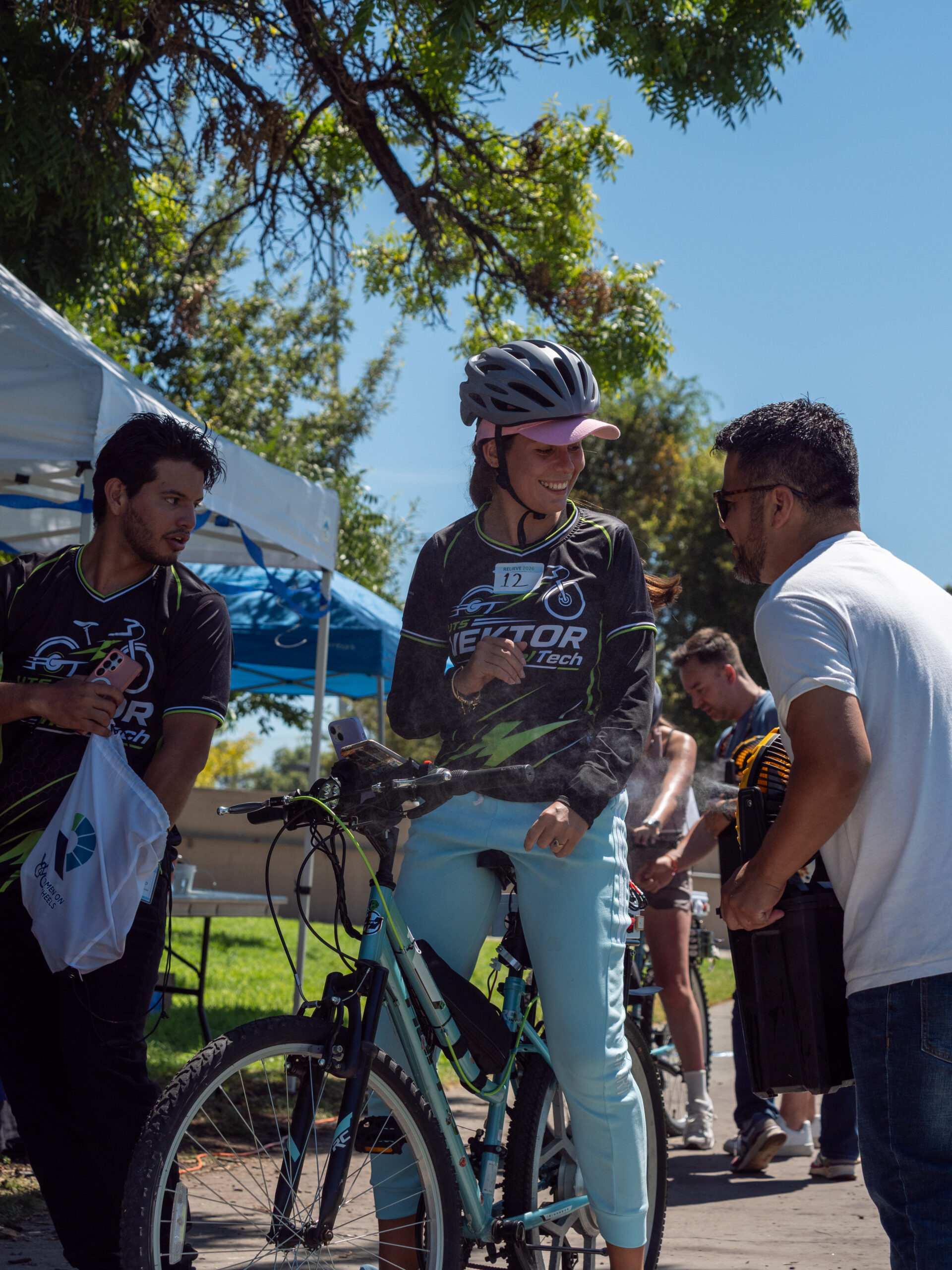
The RELIEVE 2026 International Challenge is a competition with a technical and strategic focus and a strong social component, centered on electric mobility. It will take place on the UC Davis campus and is aimed at students, professionals, and enthusiasts of innovation in sustainable transportation.
During the competition, loads were distributed among seven checkpoints located across the UC Davis campus.
The electric bicycles were ridden exclusively by women.
The objective was to collect all assigned loads in the shortest possible time while minimizing the total energy consumed.
To encourage strategic planning, each rider was allowed to transport only a limited number of loads at any given time.
Consequently, multiple trips between the home base and the checkpoints were required, following the logistics strategy established by each team.
While the rider traveled between checkpoints, the remaining team members stayed at the home base and completed educational challenges. Each challenge had to be completed within three minutes of the rider reaching a checkpoint and was designed to reinforce knowledge related to the competition themes.
The final competition score was determined by combining route completion time, total energy consumption, and the points earned in the educational challenges, with the winning team achieving the best overall performance across these criteria.
This year’s route map
Congratulations to our winners!
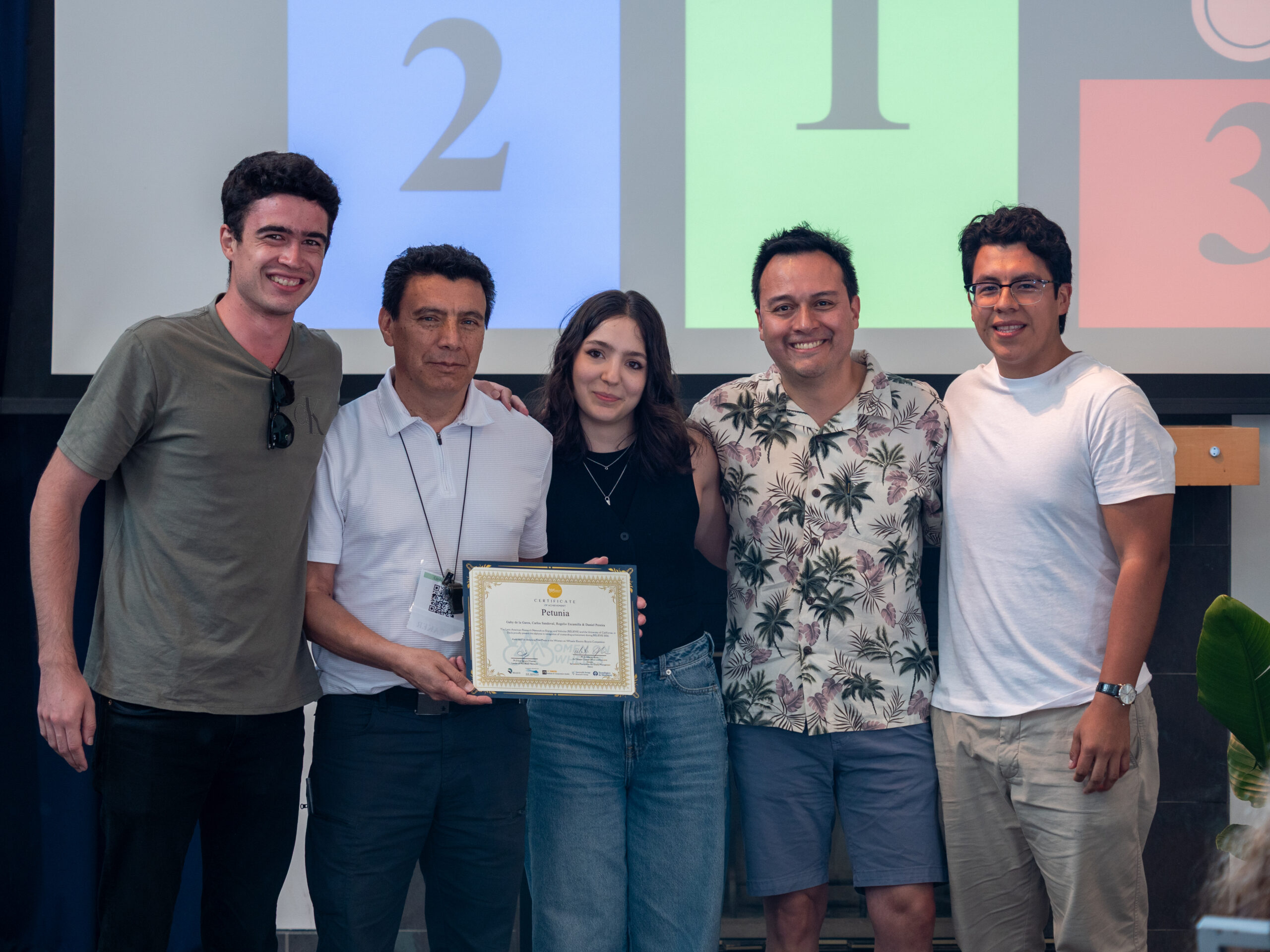
"Petunia"
1st Place
Piloted by Gaby de la Garza
Tecnológico de Monterrey
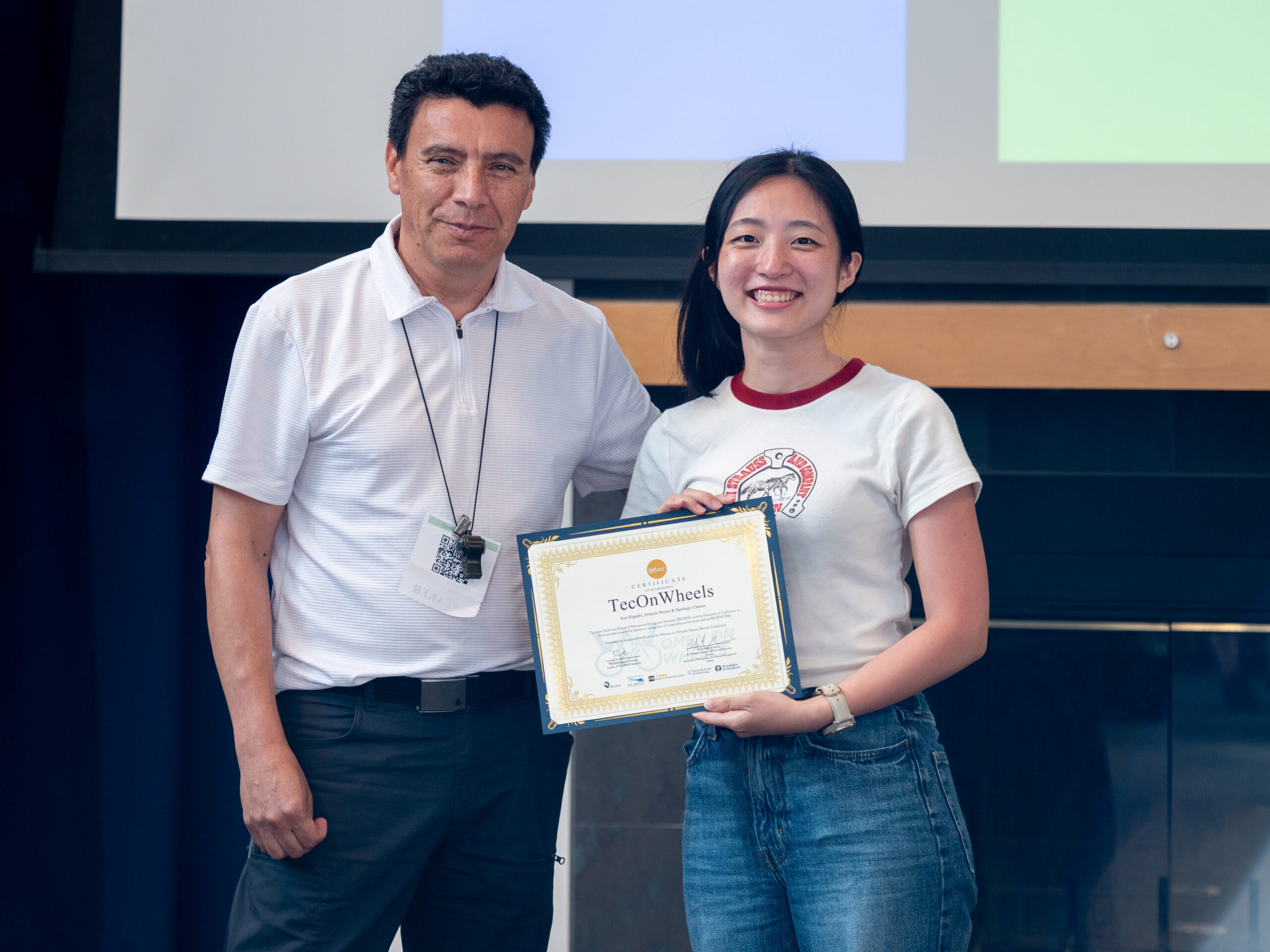
"Tec on Wheels"
2nd Place
Piloted by Aya Higashi
UC Davis
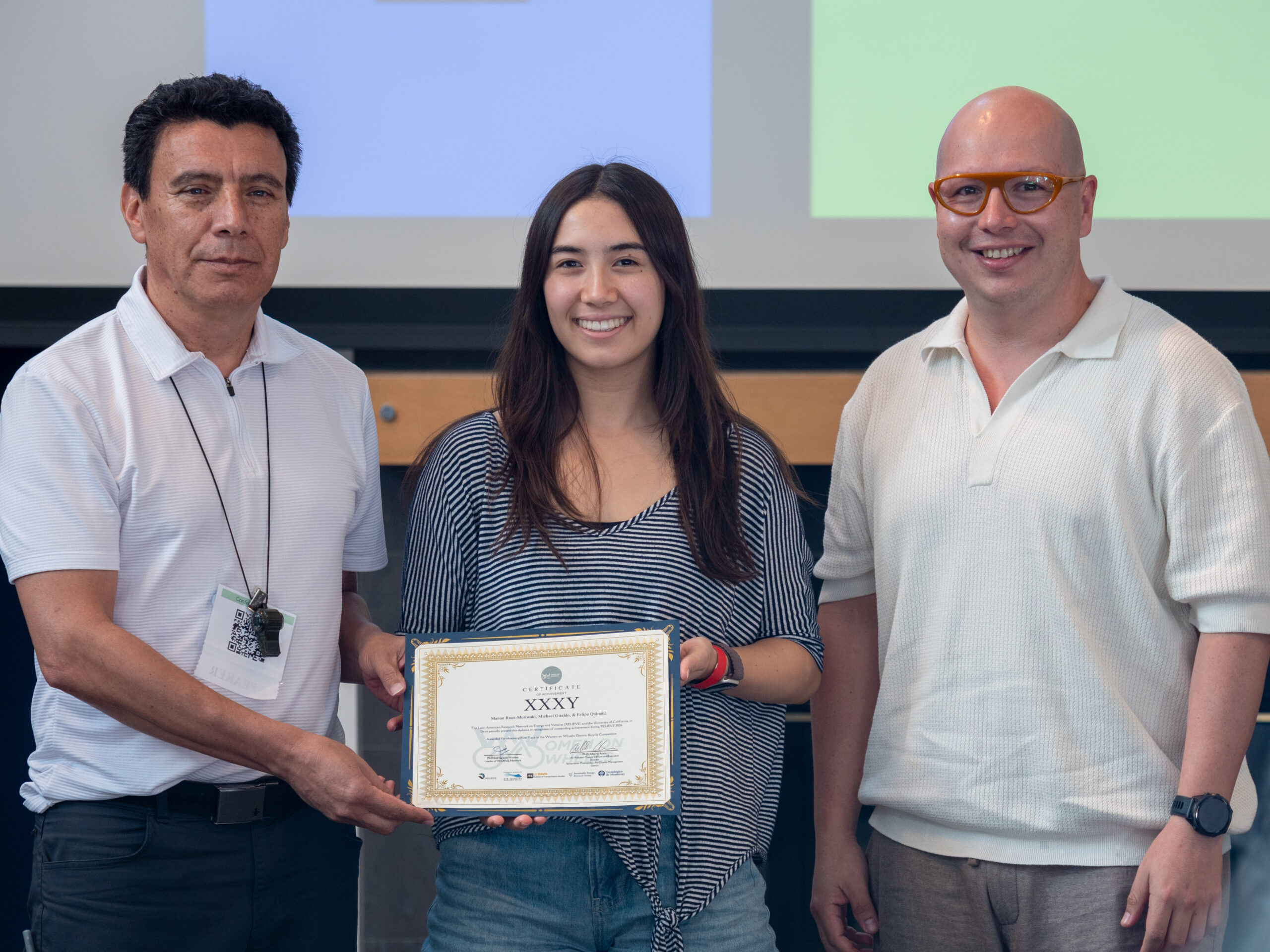
"XXXY"
3rd Place
Piloted by Marion Raux
UC Davis